
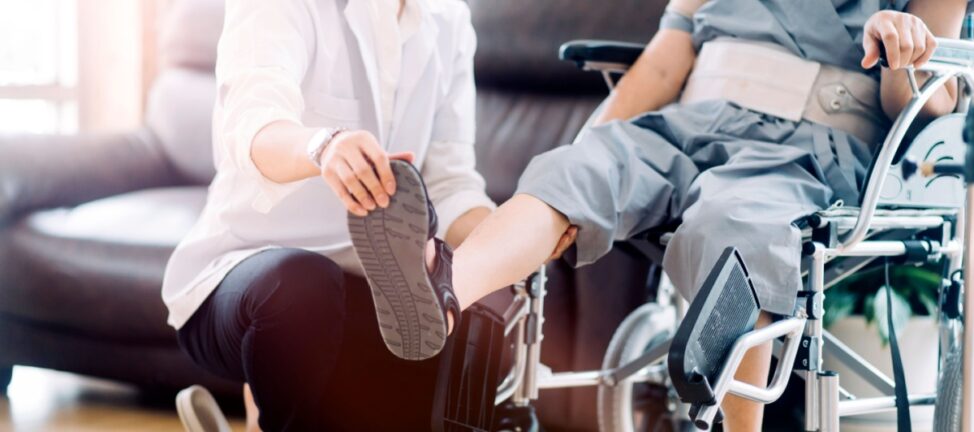
As individuals age, maintaining an active lifestyle becomes one of the most important factors in promoting long-term health and independence. While it may seem natural to slow down with age, regular physical activity plays a critical role in extending lifespan and improving overall quality of life. From enhancing mobility to supporting mental health, staying active offers a wide range of benefits that directly contribute to senior longevity.
Understanding how physical activity impacts the aging process can help seniors and their families make informed decisions about incorporating movement into daily routines. With the right approach, even small amounts of activity can lead to meaningful improvements in health and well-being.
How Physical Activity Supports Longevity
Physical activity has a direct impact on many of the body’s essential systems. Regular movement helps maintain cardiovascular health by improving circulation, lowering blood pressure, and reducing the risk of heart disease. It also supports healthy metabolism, which plays a role in managing weight and preventing conditions such as diabetes.
In addition to heart health, exercise strengthens muscles and bones. This is especially important for seniors, as age-related muscle loss and decreased bone density can increase the risk of falls and fractures. By maintaining strength and stability, seniors are better equipped to remain independent and avoid injuries that could significantly impact their quality of life.
Physical activity also supports the immune system, helping the body fight off illness more effectively. Seniors who remain active often experience fewer infections and recover more quickly when health issues arise.
Improving Mobility and Independence
Mobility is a key factor in maintaining independence as we age. When seniors lose the ability to move comfortably and safely, daily tasks can become difficult or even impossible without assistance. Regular physical activity helps preserve flexibility, balance, and coordination, all of which are essential for safe movement.
Activities such as walking, stretching, and light strength training can improve joint function and reduce stiffness. This allows seniors to perform everyday activities, such as climbing stairs, getting out of bed, or carrying groceries, with greater ease.
Improved mobility also reduces the likelihood of falls, which are one of the leading causes of injury among older adults. By strengthening muscles and improving balance, seniors can move with greater confidence and stability.
The Mental and Emotional Benefits of Staying Active
Physical activity is not just beneficial for the body, it also plays a significant role in mental and emotional health. Exercise stimulates the release of endorphins, which are natural mood boosters that help reduce stress, anxiety, and depression.
Seniors who engage in regular physical activity often experience improved cognitive function, including better memory and concentration. Staying active can also help slow the progression of cognitive decline, making it an important component of long-term brain health.
Additionally, many forms of physical activity provide opportunities for social interaction. Whether it’s participating in a group class, walking with a friend, or engaging in community activities, these interactions help reduce feelings of isolation and loneliness.
Finding the Right Type of Activity
Not all physical activity needs to be intense to be effective. The key is consistency and choosing activities that are safe, enjoyable, and appropriate for the individual’s fitness level. Low-impact exercises such as walking, swimming, or chair exercises can provide significant benefits without placing excessive strain on the body.
Flexibility and balance exercises, such as yoga or Tai Chi, are particularly beneficial for seniors. These activities improve coordination and reduce the risk of falls while also promoting relaxation. Strength training using light weights or resistance bands can help maintain muscle mass and improve overall stability.
It is important for seniors to consult with a healthcare provider before beginning a new exercise routine, especially if they have existing health conditions. A personalized approach ensures that activities are both safe and effective.
Making Physical Activity Part of Daily Life
Incorporating physical activity into a daily routine does not have to be complicated. Simple changes, such as taking short walks, doing light stretching in the morning, or engaging in household tasks, can all contribute to a more active lifestyle.
Consistency is more important than intensity. Even moderate activity performed regularly can lead to significant health improvements over time. Encouragement and support from caregivers or family members can also help seniors stay motivated and committed to their routine.
Living Longer, Living Better
Physical activity is one of the most powerful tools seniors have to improve their longevity and maintain a high quality of life. By supporting physical health, enhancing mental well-being, and preserving independence, regular movement creates a strong foundation for healthy aging.
At Trust USA Home Health, we understand the importance of staying active at every stage of life. Our caregivers provide support and encouragement to help seniors remain engaged, mobile, and confident in their daily routines. Whether assisting with safe movement, encouraging light activity, or providing companionship, we are committed to helping seniors live healthier, more fulfilling lives. To learn more about how we can support your loved one, visit our contact page.