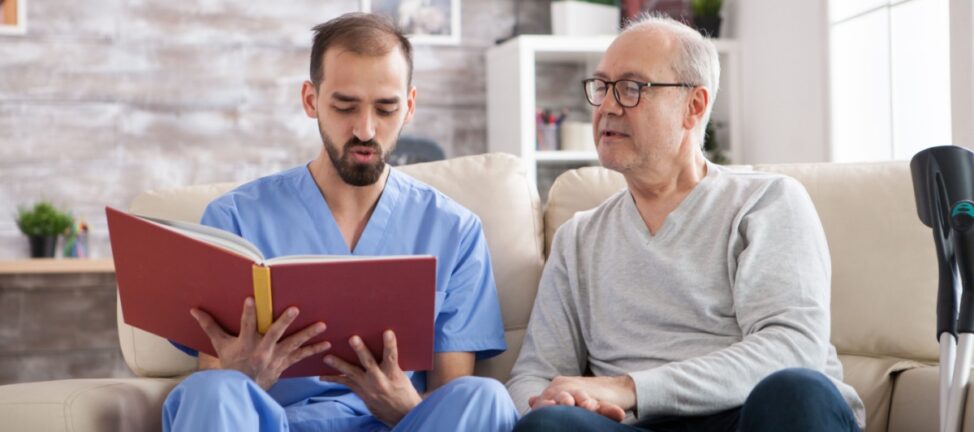
Caring for an aging loved one is a deeply meaningful responsibility, but it can also be physically, emotionally, and mentally demanding. Many family caregivers dedicate countless hours to ensuring their loved ones are safe, comfortable, and well cared for. Over time, however, this level of commitment can lead to burnout, …
The Link Between Physical Activity and Senior Longevity
As individuals age, maintaining an active lifestyle becomes one of the most important factors in promoting long-term health and independence. While it may seem natural to slow down with age, regular physical activity plays a critical role in extending lifespan and improving overall quality of life. From enhancing mobility to …
How Home Health Care Supports Recovery After a Hospital Stay
Leaving the hospital is often a major milestone in a patient’s recovery journey, but it is not the end of care. In many cases, the period immediately following discharge is one of the most critical times for healing. Without proper support, patients may face complications, setbacks, or even hospital readmission. …
Adapting the Home for Aging in Place: Practical Safety Modifications
For many seniors, the ability to remain in their own home as they age is deeply important. Familiar surroundings provide comfort, independence, and a strong sense of identity. However, as mobility, balance, and strength change over time, the home environment may need to be adjusted to ensure safety and accessibility. …
How Personal Care Services Support Dignity and Daily Function
Aging can bring physical and cognitive changes that make once-simple daily activities more difficult. Tasks such as bathing, dressing, grooming, and toileting may become challenging or even unsafe for seniors to manage alone. While family members often try to help, many seniors feel uncomfortable relying on loved ones for such …